

In Roof Solar Panels: The Complete Guide for UK Homeowners
In roof solar panels work just like traditional solar panels but are designed to blend seamlessly into a property’s roof rather than being mounted on top of it. These solar panels are a cutting-edge choice for UK homeowners who want both performance and seamless design.
What are In Roof Solar Panels?
Instead of mounting panels on top of your tiles or slates, in-roof solar panels replace a section of your roof covering with panels that protect your home from the weather and generate clean energy. This results in a beautifully streamlined finish that blends seamlessly into your property. Key features:
- Integrated Aesthetics: In-roof panels fit flush with surrounding tiles, giving a modern, streamlined look.
- Dual Purpose: In-roof solar panels act as a roof covering and generate energy, saving on materials and integrating with the construction of your home.
- Custom Fit: They can be used in different patterns and shapes, allowing for creative design solutions in new builds or renovations.
How Do In-Roof Solar Panels Differ from Roof-Mounted Systems?
The biggest difference between these systems is how they look. In-roof panels blend seamlessly with your roof for The biggest difference between these systems is how they look. In-roof systems blend seamlessly with your roof for a sleek, integrated style. Traditional roof-mounted systems stand out more and are often easier to set up, without significant changes to your existing roof structure.
- Appearance: In-roof panels line up with the rest of the tiles, rather than sitting on top. This approach is especially popular in areas with strict planning regulations. Or with homeowners who want to keep their roofline sleek and contemporary.
- Weight: In-roof panels are about half as heavy as traditional panels (around 10kg instead of 20kg).
- Cost: Traditional systems are usually cheaper to install. But for new constructions or roof replacements, in-roof systems can be a smart choice as you may save on roofing materials, with less tile area required.
- Environment / Pest Control: In-Roof panels eliminate access beneath solar panels, stopping birds from nesting below. Traditional panels may require additional pest control measures such as mesh, spikes or solar skirting.
- Solar Panel Capacity: In-roof models and wattage can be restricted, whereas traditional panels have a wide product selection, allowing for higher wattage models
If you’re starting a roof from scratch, it often makes sense to install in-roof solar panels. This can save on roofing materials and avoids duplicate work in the future. In-roof solar panels are therefore a great option for a new property or roof replacement.
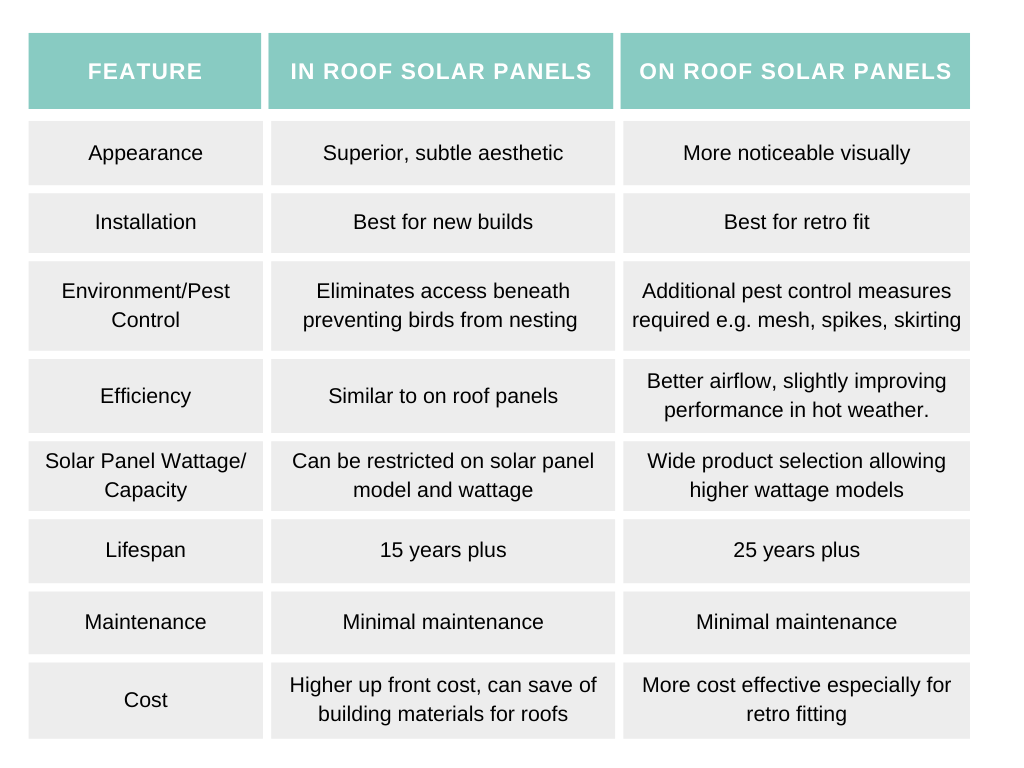
Comparing In-Roof and On-Roof Solar Panel Systems
When choosing between in-roof and on-roof solar, it’s important to compare them across several key areas:
- Appearance: In-roof systems offer a superior aesthetic, blending into the roofline for a subtle look. On-roof panels are more noticeable.
- Installation: In-roof installation is more complex and best suited for new builds or re-roofing. On-roof systems are simpler to retrofit.
- Efficiency: Efficiency levels are broadly similar, though some argue on-roof panels benefit from better airflow, which can slightly improve performance in hot weather.
- Lifespan: Both systems are designed to last for 25 years or more, with robust warranties.
- Maintenance: Both require minimal maintenance, mainly consisting of occasional cleaning to ensure optimal performance.
- Cost: In-roof solar panels typically have a higher upfront cost due to the more complex installation and materials required
- Warranty: Most mainstream In-roof mounting tray manufacturers offer between a 10 – 15 year product warranty on components. On-roof solar mounting kits can range between 10 – 25 years for premium brands
If you’re re-roofing or building new, in-roof solar panels can be more cost effective since you’re combining roofing and solar work in one go. They are often preferred in conservation areas or developments with strict visual regulations.
If you’re re-roofing or building new, in-roof solar panels can be more cost effective since you’re combining roofing and solar work in one go. They are often preferred in conservation areas or developments with strict visual regulations.
How Do In Roof Solar Panels Work?
The way in-roof solar panels work is similar to standard panels. The panels contain photovoltaic cells that absorb sunlight and convert it into DC electricity. This power is then sent through an inverter, which turns it into the AC electricity your home runs on.
You can use this electricity straight away. If you have a battery, you can store some for after the sun’s gone down. If you generate more power than you use, you can even sell the surplus energy back to the National Grid. Some modern in-roof setups include smart tech that tracks the sun’s position, so you get the most energy possible throughout the day.
Modern in-roof systems are highly efficient and can include smart technology to optimise ‘solar harvesting’ by tracking sunlight throughout the day.
How In Roof Solar Panels Work:
- Absorption: PV cells collect sunlight, even on cloudy days.
- Conversion: They turn sunlight into DC (direct current)
- Inverter: An inverter, hidden in your loft or garage, converts DC to AC (alternating current) for household use.
- Usage & Storage: Power your home directly, store excess in batteries for later, or export surplus back to the National Grid for bill credits.
Are All Roofs Suitable for In-Roof Solar Panels?
A lot of homes in the UK are good candidates for in-roof solar, but it’s not a one-size-fits-all solution. They are a good option if your roof is South-facing, the ideal direction for capturing the most sun. An East or West-facing roof will also work well, especially if you can locate panels on each elevation, capturing daylight in the early morning and late evening.
The pitch of your roof matters, too. Most experts say between 30° and 40° works best, but there’s wiggle room. It’s also important that your roof is in decent condition and structurally sound. Large, open expanses are preferable, as shading from chimneys, trees, or neighbouring buildings can reduce energy capturing.
Even bungalows and homes with dormer windows can usually be fitted with an in-roof system. Installers often offer free surveys, so you can get a professional view before you make any decisions. Here’s what to consider when assessing suitability:
Orientation
- Best: South-facing roof slopes for maximum daily sunlight.
- Good: East/West orientations still generate significant energy.
Roof Pitch
- Optimal: Between 30° and 40° for sunlight capture in the UK.
- Possible: As low as 15° or as steep as 50°, depending on system manufacturer and location.
Roof Size, Strength
Large, uninterrupted areas work best, but panels can be custom-fitted around features like roof windows. The roof should be sound and able to bear the weight of panels and frames. Avoid frequent shading from trees, buildings or chimneys for peak performance..
How Are In-Roof Solar Panels Installed?
The installation is a bit more involved than traditional mounting, but results in a beautifully integrated finish. The below sequence is for typical solution, a reputable installer will be able to advise on the differences between each product.
- The installer surveys your roof and designs a custom layout, using MCS certified products in the UK. Consideration should be given with regards to the final perimeter roof tile size and set out to avoid small tile cuts and maintain integrity of the surrounding roof tile.
- Existing tiles or slates will be removed where the solar panels will be located.
- Wooden lattice battens will be secured to the exposed rafters which are used to secure in-roof panel trays to the roof. Some systems use the same battens as the tile, whilst others require additional battens to align with the manufacturers fixing points.
- Perimeter flashings will be added below the in-roof system to weatherproof the roof structure.
- The in-roof solar panel mounting system is then mechanically fixed to the lattice framework using pre determined screw locations.
- An additional perimeter weatherproof flashing is installed around the perimeter of the mounting kit. This can be either flexible lead type flashings combined with rigid pressed sheet metal to traywork to aid water run off to tile or gutter below.
- Solar panels are secured into the trays using integrated clamps allowing the roof to be re-tiled around the perimeter and sealed.
Installers should be MCS-certified (Microgeneration Certification Scheme). This is essential for accessing incentives like the Smart Export Guarantee (SEG) in the UK.
Types of In Roof Solar Panel systems
There are two main types of in-roof solar panel systems in the UK frame based systems and bespoke or integrated systems.
Frame Based systems
Solar panels from various manufacturers are installed onto a tray based system which is fixed directly to the roof battens. GSE integration and Edilians Easy Fit Evolution manufacturer tray based systems providing flexibility on solar panel selection.
Bespoke / Integrated systems
Solar panels are designed to integrate with unique purpose-built frames, with both panel and frame manufactured by the same company. Viridian, GB-Sol, Solfit and Wienerberger provide bespoke solutions offering an aesthetically pleasing finish.
Roof tile manufacturers have also developed systems to align with their own roof tile profiles with Marley and BMI Redland both offering bespoke in-roof solar systems
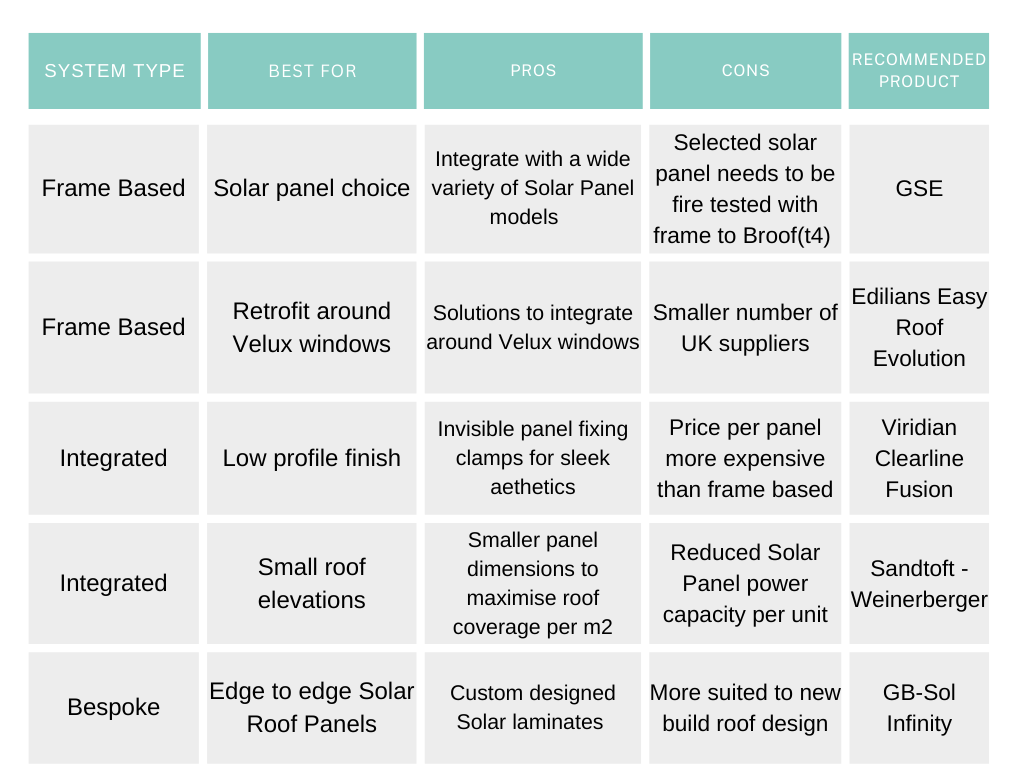
When installing an in-roof solar panel system you need to determine which product suits your particular roof pitch, tile type, roof size and shape and budget.
Solar panel capacities which align with the products should also be considered to achieve an aesthetically pleasing result, which also maximises solar generation outputs.
As for manufacturers, GSE Integration and Viridian Solar (with their Clearline Fusion system) are leaders for integrated panels, while Marley is well-known for solar tiles. Many new developments in the UK use Viridian’s system for its quick installation and upmarket appearance.
In-Roof Solar Panel Manufacturers
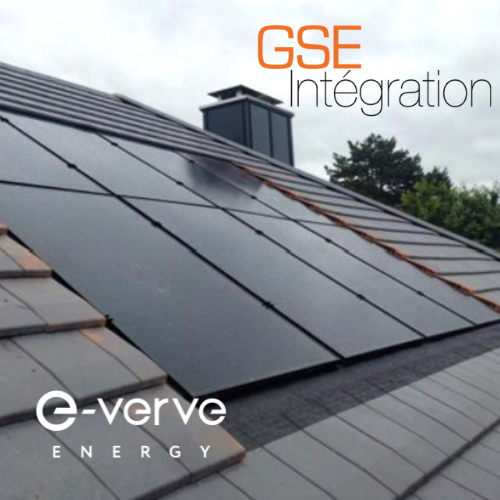
GSE In-Roof System
Known for its versatility, this system is compatible with a wide range of solar panels and roof tile types.
GSE in-roof systems are lightweight, watertight and budget-friendly. They are designed to fit around 90% of solar PV panels in the UK. They can be installed on roofs with pitches from 12° to 50°, and their MCS certification means your solar setup will qualify for export payments.
Built to last, these systems are engineered to handle strong winds and heavy snow with ease.
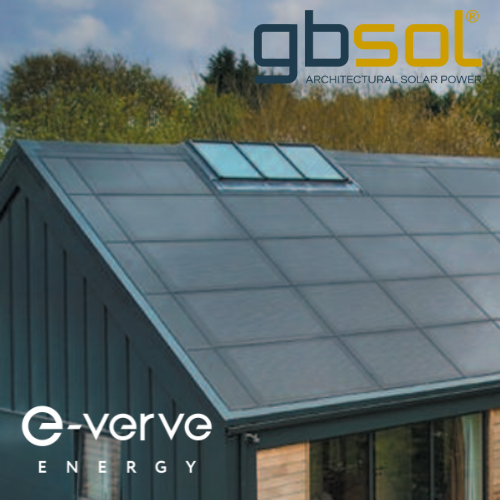
GB-Sol Infinity
SolFit provides integrated PV systems that use high-efficiency Bisol laminates manufactured in the EU.
These systems allow for free-flow of air under the panels, resulting in better performance. SolFit systems come with guarantees for PV manufacture workmanship, weather tightness, and linear performance.
The GB-Sol infinity range is ideal for new build and bespoke property designs which are looking a seamless edge to edge Solar roof design.
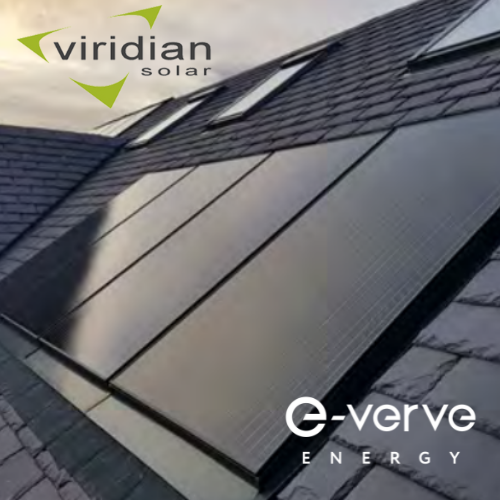
Viridian Solar Clearline Fusion
A top choice for its sleek aesthetics, high performance and excellent weatherproofing.
Viridian Solar’s Clearline Fusion system is a cost-effective option that works seamlessly with Viridians own fusion monocrystalline solar panel brand with capacities ranging from 335W – 445W.
Sleek and stylish hidden roof fixing points Clearline Fusion makes high-quality roof integration easily accessible for retrofit projects.
Overall, each brand of in-roof solar mounting equipment has its own strengths and advantages. Whether you prioritise affordability, aesthetics, performance or durability, there is a brand that caters to your specific needs. It is important to carefully consider the features and benefits of each brand before making a decision on which in-roof system to install.
The Pros and Cons of In-Roof Solar Panels
There’s a lot to love about in-roof solar panels. They’re stylish, practically invisible while still powering your house with green energy. They make fantastic use of space and could even bump up your home’s appeal if you ever decide to move. Because they’re part of the roof, these systems offer solid weatherproofing and durability.
There are some downsides. The initial investment is higher, mostly because there’s more installation work involved. If you’re renovating or starting a new build, though, it often balances out. Efficiency can take a minor hit in very warm weather, since the panels are flush to the roof, but in the UK’s generally mild climate, this isn’t much of a problem.
Repairs can be more involved than traditional systems, since you may need to lift the panels to get underneath. Still, with strong warranties and reliable manufacturers, problems down the line are uncommon.
Pros:
- Superior aesthetics with a seamless, modern look.
- Acts as part of the roof covering, improving weather resistance.
- Can increase the value of your property.
- Ideal for new builds, conservation areas or listed buildings (subject to planning).
Cons:
- Higher initial installation cost compared to on-roof systems.
- More complex installation process.
- Retrofitting can be disruptive and expensive.
- Slightly lower airflow may minimally impact efficiency in very hot conditions.
In-roof systems tend to be more versatile when it comes to roof shapes and sizes. They can often cover a larger percentage of your roof area than on-roof systems, potentially allowing for a higher capacity solar array.
From a technical perspective, in-roof systems can offer better performance in certain conditions. The flush mounting means there’s less air circulation behind the panels, which can help them retain heat in colder weather. This can lead to improved efficiency and energy generation during the UK’s chilly winter months, which could mean more savings on your electricity bills in the long run.
Installing solar panels on any new build property provides a great way to meet the energy efficiency requirements of building regulations. Whilst also reducing the price of electricity for the occupant.
What Affects the Cost of In-Roof Solar Panels?
The number of panels you need, the type of system you choose and the complexity of your roof all play a role. It’s usually cheaper to install in-roof solar panels in a new build or whilst re-roofing because you save on roofing materials and extra scaffolding.
For new builds, extensions or complete roof replacements, in-roof systems can bring surprising cost savings. While the upfront installation might cost more, you’ll save on the roof tiles the panels replace. On a large roof, those savings can really add up, often meaning 400 – 500 fewer tiles to buy for a typical home.
Choosing an in-roof system from the start is often simpler than retrofitting solar later, allowing your roof to be designed and built with solar in mind right from the beginning.
High-end solar tiles or panels with smart features will cost more but may offer longer warranties or extra energy output.
Adding battery storage, system monitoring or linking your solar panels up to charge an electric vehicle will bump up costs, but also increase your home’s efficiency and value in the long run. Check for local grants or incentives, too. Sometimes they can make a surprising difference to your final bill.
Final Thoughts
If you’re building a new home or planning a major renovation, in-roof solar panels are a great way to unite aesthetics with excellent performance.
By choosing an experienced installer and a quality manufacturer, you can trust that your in-roof solar panels will be a smart, long-lasting investment that cuts your energy costs and shrinks your carbon footprint for years to come.
How E-Verve Energy Can Help
At E-Verve Energy, we specialise in designing and fitting in roof solar panels for all types of UK homes. We’ll assess your property, explain your options, and handle everything from installation through ongoing support. Whether you’re building from scratch or planning a renovation, we’ve got the experience to help you get the most from your roof.
Ready to get started? Reach out to The Most Trusted Renewable Energy Installers 2024 for a free, friendly chat or use our online quote tool below to design your solar panel array directly onto your own roof!
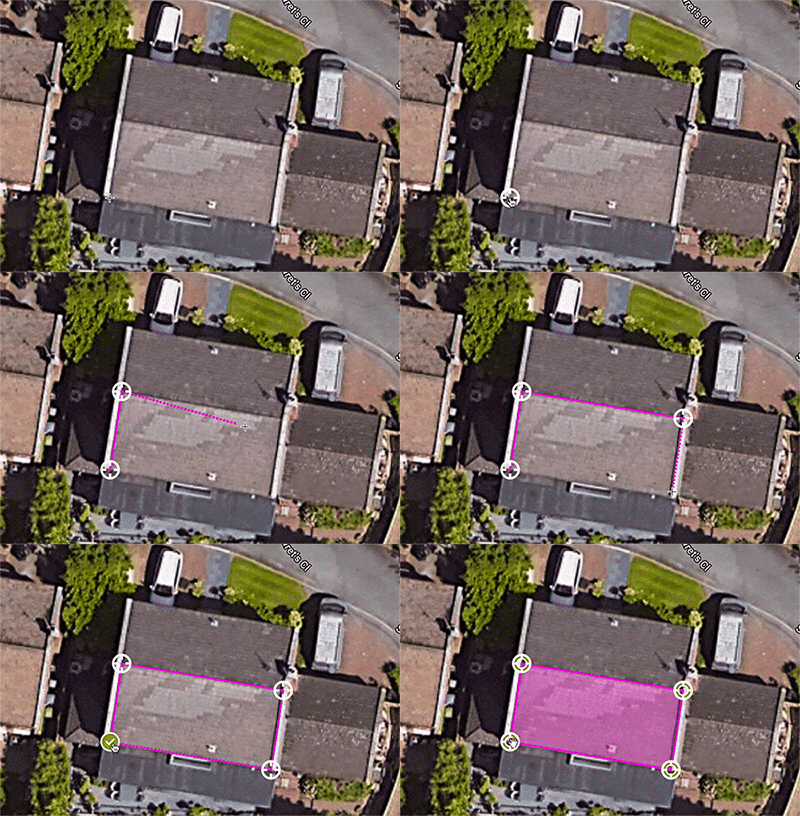
Get Your Custom Solar Quote Today
Select your ideal setup and receive a tailored quote in minutes.
130+ Google Reviews
Have more questions?
That’s okay, we’ve answered some of the more commonly asked questions here but if you still have questions, just get in touch and we’ll be happy to provide any support you need.