

Warm Homes Plan – Will It Be Worth It For Me?

Warm Homes Plan Loans (2027) and Grant Availability
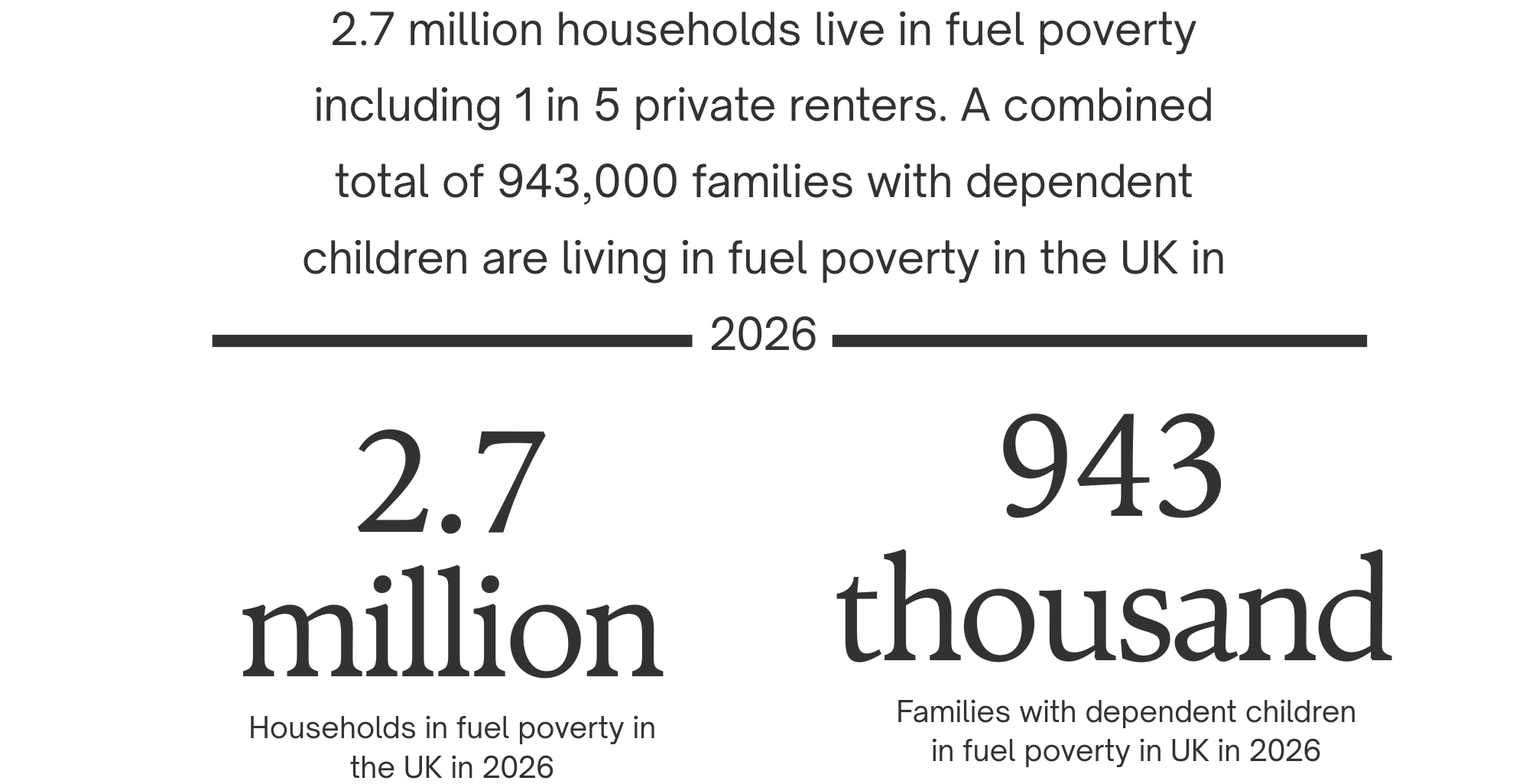
The Warm Homes Plan is pledging to provide £15 billion in public investment to upgrade as many as 5 million homes and help lift up to 1 million families out of fuel poverty by 2030. Designed to make it easier than ever for homeowners to install energy saving improvements. It aims to offer grants for low income households and Government backed loans available to all households.
Making sure your home is warm and energy efficient is more important than ever. With energy costs on the rise, government initiatives like the newly announced Warm Homes Plan could become crucial for helping households manage their bills and reduce their carbon footprint. Heralded as the ‘Biggest Home Upgrade Scheme in British History’ well take a closer look at what this could mean for you.
This guide will walk you through what we know so far about this key government scheme designed to tackle fuel poverty in addition to improving the energy efficiency of homes across the country.
We’ll explore the key components of the Warm Homes Plan and how E-Verve Energy can help you navigate the process and upgrade your home!
Understanding the Warm Homes Plan
Right now, there’s record demand in Britain for clean home energy products like solar panels and heat pumps. However the initial cost of installing these remains the main barrier to most households. To combat this, the Warm Homes Plan aims to deliver direct help to low-income families. Alongside government backed loans available to all households. More information on how the scheme will operate, including who will be eligible, will be shared later this year and may involve a consultation process. As a result, loans are unlikely to be available before 2027.
The Warm Homes Plan has 3 key pillars of delivery:
The Warm Homes Plan also includes practical steps to make sure new homes are more affordable to maintain. The plan includes a Future Homes Standard set to roll out in early 2026. This approach ensures that all new build properties are more cost-efficient to run and include measures like solar panels as a standard requirement for all newly built homes in the UK.
“A warm home shouldn’t be a privilege, it should be a basic guarantee for every family in Britain. Today’s plan marks a turning point. It will help to slash energy costs and lift up to a million people out of fuel poverty. This is a government bearing down on the cost-of-living crisis. By driving bills down for good and upgrading millions of homes, we’re giving people the security and the fair shot they need to get on in life”
Prime Minister, Keir Starmer
Plan Delivery: The Warm Homes Agency
By 2030, the government plans to triple the current number of homes with solar. Installing panels on up to 3 million more rooftops. They also aim to deliver over 450,000 heat pump installations each year. Upgrading as many as 5 million homes in total. Secondly there are plans to create a new Warm Homes Agency (WHA) to coordinate and oversee the significant effort of delivering millions of home upgrades under the Warm Homes Plan. It will take on new responsibilities while streamlining and uniting existing organisations involved in home upgrades across the government and the regulator, Ofgem. The agency will offer households looking to upgrade access to information and support. Backed by a reformed system of strong and comprehensive consumer protection. The plan has several clear objectives designed to create a lasting impact on homes and communities which the WHA will be responsible for delivering:
- Reduce Fuel Poverty: The primary goal is to help those who struggle to afford their energy bills. By improving a home’s ability to retain heat, the plan directly reduces the amount of energy needed to keep it warm, leading to lower bills.
- Improve Health and Wellbeing: Cold, damp homes contribute to a range of health issues, particularly respiratory problems. The Warm Homes Plan aims to create healthier living environments, which can reduce pressure on health services.
- Boost Energy Efficiency: By upgrading insulation and heating systems, the plan helps improve the overall energy efficiency of the nation’s housing stock. This is crucial for meeting long-term environmental goals.
- Lower Carbon Emissions: Less energy used means fewer carbon emissions. Each home that receives an upgrade contributes to the UK’s commitment to fighting climate change.
The historic £15 billion public investment breaks down as follows:

“No family should live in cold, damp or mouldy conditions. We all know our winters are getting colder with climate change. Finally, we have a government pledging to deliver the millions of home upgrades that the British public need. If delivered right, this programme of investment can deliver quality jobs in every corner of the country and bring down bills”
Kate Bell, Assistant General Secretary of the TUC, and co-chair of the Warm Homes Taskforce
What Grant Measures will be Available?
The Warm Homes Plan offers a variety of energy saving improvements, often referred to as “measures.” The specific upgrades available to you via grant funding will depend on a survey of your property and its current EPC rating. The goal is to take a “whole-house” approach, ensuring the installation of the most effective measures. Commonly funded improvements will include:
- Solar Panels
- Battery Storage
- Heating Upgrades
- Air Source Heat Pumps
Grant Eligibility Criteria
To qualify for the Warm Homes Plan grants, you generally need to meet criteria related to both your income and your property’s energy efficiency. While specific rules can vary slightly by region, the core requirements are consistent.
1. Household Income and Benefits:
Although full eligibility details have not yet been announced, you will likely qualify if you or someone in your household receives certain means-tested benefits. In some cases, there may also be an income-based route. This could mean if your total household income is below a certain threshold (e.g., £31,000), you might qualify even if you are not on benefits.
2. Property Requirements:
Your home must also meet specific energy efficiency criteria. The main requirement is a low Energy Performance Certificate (EPC) rating. The Warm Homes Plan aims to continue to prioritise properties with an EPC rating of D, E, F, or G. An EPC measures how energy-efficient your home is on a scale from A (most efficient) to G (least efficient).
You can check your home’s EPC rating online through the government’s register. If your property doesn’t have one, an assessment can be arranged as part of the application process.
Should I Wait Until 2027 for Loans? Key Factors to Consider!
While the government has promised to offer low to zero percent interest loans—likely starting in 2027—there are other key factors to keep in mind when deciding whether or not to take advantage of them.
Rising Industry Costs
China remains the dominant global supplier of Solar PV components and prices are on the rise! Fueled by changes in Chinese export policies that cut tax rebates. Booming domestic demand in China. Higher raw material costs like silicon, and increased shipping expenses from Middle East conflicts. Industry experts are bracing for a sharp increase on component prices, which will inevitably impact consumers. With the cost of installing measures such as solar and battery storage estimated to be at the lowest point currently, an increase of around 10-20% is anticipated later this year.
Zero Rated VAT Ending March 2027
Energy-saving materials will keep qualifying for the temporary zero rate of VAT until 31 March 2027. This covers technologies like solar panels with battery storage and air source heat pumps. Since this measure ends on 31 March 2027, it’s likely it won’t be combined with the Warm Homes Plan, which will probably take its place. Meaning consumers will likely be comparitivly out of pocket.
Loss of Potential Savings
With the average UK household achieving savings between £500- to upwards of £1200 per year with solar and battery storage*. The potential loss of this saving should be considered when deciding whether or not to wait for low to zero percentage loans to be made available via the Warm Homes Plan. Waiting to get a preferential loan rate could potentially cost you an additional £500- £1200 on this years bills.
*based on an average UK household with variation for usage and system efficiency
Mortgage Backed Funding
Mortgage providers are increasingly offering green energy incentives to promote sustainable homeownership, so it’s definitely worth checking with your provider. Common incentives include reduced interest rates or cashback for making energy-efficient home improvements. Here are some lenders currently offering green mortgages and the specific perks they provide:
Furthermore, many providers are not only offering preferential interest rates to customers with better home EPC ratings but are also providing cashback incentives to those who achieve an A or B EPC rating.
If you are waiting to access the Warm Homes Plan incentives, it is likely that many of the above savings will not be available in conjunction. However, for more detailed information on what has been announced so far, you can refer to The Government Warm Homes Plan
How E-Verve Energy Can Help With Warm Homes Plan Upgrades!
Navigating government schemes can sometimes feel complicated, but that’s where we come in.
We can help you assess your eligibility for Warm Homes Plan grants as well as providing free no obligation quotes for measures to be covered by Government backed loans* such as Solar Panel Installation, Battery Storage and Heating Upgrades. Our team of experts are here to support you at every stage!
From the first consultation through installation and aftercare, E-Verve Energy delivers award winning, expert advice, high-quality workmanship, and ongoing support.
Every installation is carried out by our certified professionals who strictly adhere to the Microgeneration Certification Scheme (MCS) and all relevant UK regulations. This not only gives you peace of mind but also secures your eligibility for government incentives like the Smart Export Guarantee (SEG).
We are here to help you make the most of the Warm Homes Plan- Get in touch with one our experts today!
*Following Government consultation Warm Homes Plan loans are likely to be available 2027 onwards.
Get A Custom Quote From Local Solar Installers
Select your setup and receive your tailored solar quote instantly.
100+ Google Reviews