

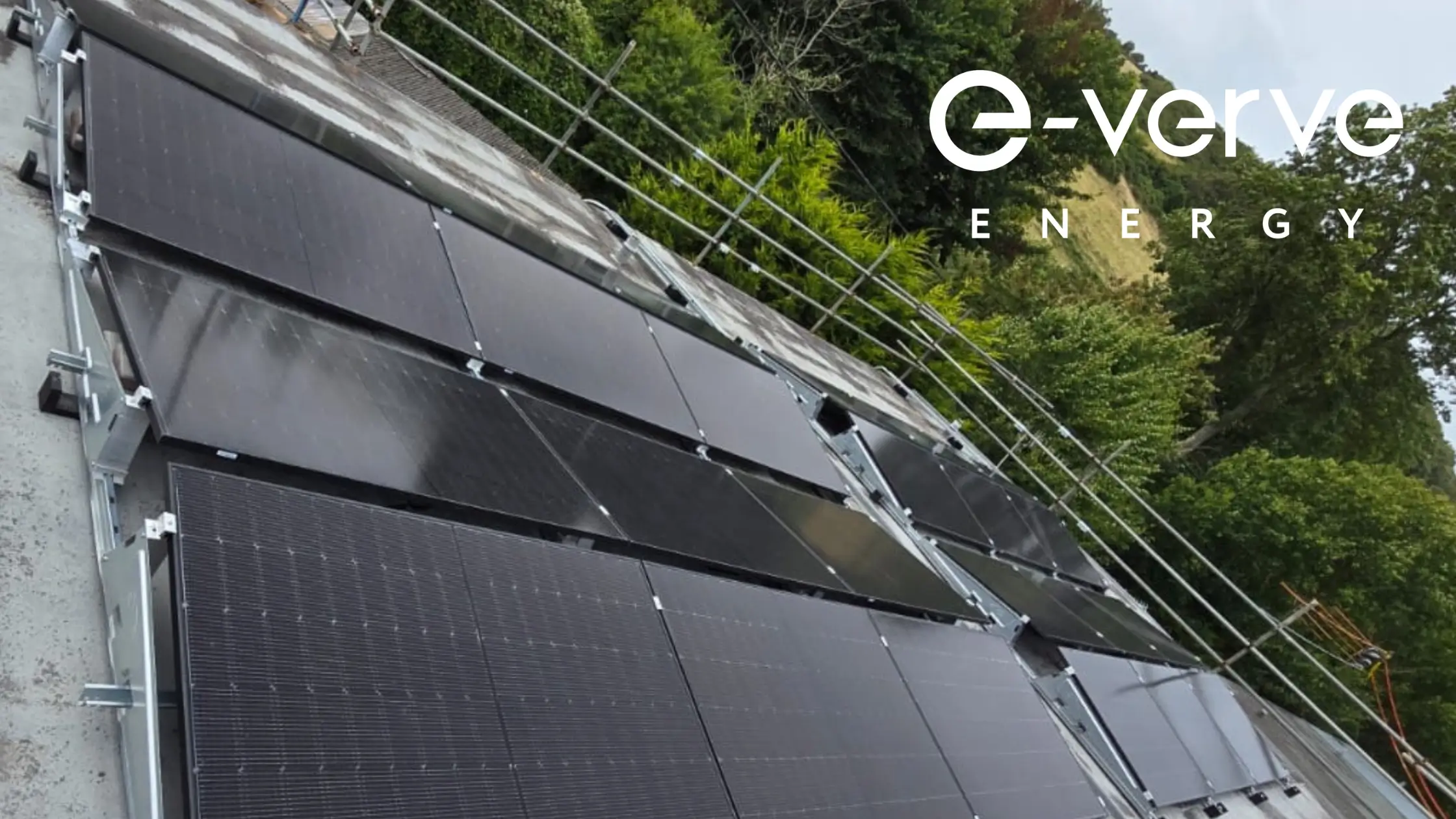
Solar Panel Brackets: Top Choices for 2026
Understanding Solar Panel Mounting Bracket Systems: Your Guide to Mounting Kits
Choosing to install solar panels is a significant step towards energy independence and a smaller carbon footprint. While the panels themselves get most of the attention, the solar panel mounting brackets that secure them to your roof are just as crucial. The right mounting system ensures your investment is safe, secure, and performs optimally for decades.
This guide will walk you through everything you need to know about solar panel brackets and mounting kits. We will explore the different types available, how to assess your roof’s suitability, and why professional installation is highly recommended. We’ll also discuss options for various roof tiles and review specific products to help you understand your options.
Types of Solar Panel Mounting Bracket Systems
Solar panel mounting brackets are the foundation of your entire solar array. They anchor the panels, withstand wind and weather, and position the panels for maximum sun exposure. There are several core designs, each suited to different roof types and structural requirements.
Penetrating Solar Panel Brackets
Penetrating solar bracket systems use mechanical fixings to connect the bracket to the supporting roof structure. This is the most common form of practice for domestic properties and commercial roofs with metal cladding in the UK. Brackets and fixings are selected based on the roof covering type and construction. For domestic properties the brackets are fixed into the structural supporting timber rafters, providing security from wind loadings. For metal clad roofs, brackets are fixed directly into the cladding profile. Other penetrating fixing systems are available for flat roofs, with in-roof solar pv systems adopting similar fixing methods. A penetrating method provides an incredibly strong and secure connection. Making it ideal for areas with high winds or heavy snowfall.
- Best for: Pitched roofs made of tile and slate,
- Pros: Very secure, cost-effective, widely available.
- Cons: Requires drilling into the roof, which must be done perfectly to avoid leaks.
Ballasted Solar Panel Brackets
For flat roofs where drilling isn’t desirable or possible, ballasted mount systems are an excellent solution. Instead of mechanical fixing, these systems use heavy weights—typically concrete blocks—to hold the solar panel array in place. The entire system sits on the roof surface without any penetrations.
The design relies on simple physics: the weight of the ballast counteracts forces like wind uplift. Solar engineers calculate the precise amount of weight needed based on the building’s height, location, and local weather patterns.
- Best for: Large, flat commercial roofs; residential flat roofs with sufficient structural strength.
- Pros: No roof penetrations, faster installation, easily removable.
- Cons: Adds significant weight to the roof, requires a structural assessment.
Hybrid Mount Systems
Hybrid solar panel mounting systems combine elements of both penetrating and ballasted mounts. Installers often use them on low-slope roofs where a ballasted system alone might lack sufficient stability, but the owner wants to minimise penetrations
A hybrid system might use a few strategic roof attachments for security while relying on ballast for the majority of the support. This approach reduces the number of holes in the roof membrane while ensuring the array is firmly anchored.
- Best for: Low-slope roofs, roofs with limited load-bearing capacity for a full ballasted system.
- Pros: Fewer roof penetrations than traditional mounts, more secure than a pure ballasted system.
- Cons: More complex design and installation.
Bespoke Solar Panel Brackets
Sometimes, a standard system simply won’t suffice. In such cases, engineers create bespoke or custom-designed solar panel mounting brackets for unique situations. For example, they design these solutions for oddly shaped roofs, listed buildings with strict aesthetic requirements, or ground-mounted arrays on uneven terrain. Additionally, they engineer these brackets from the ground up to address specific challenges.
- Best for: Non-standard roofs, architectural challenges, ground mounts on difficult terrain.
- Pros: Perfectly tailored to the specific project requirements.
- Cons: Significantly more expensive, longer design and manufacturing time.
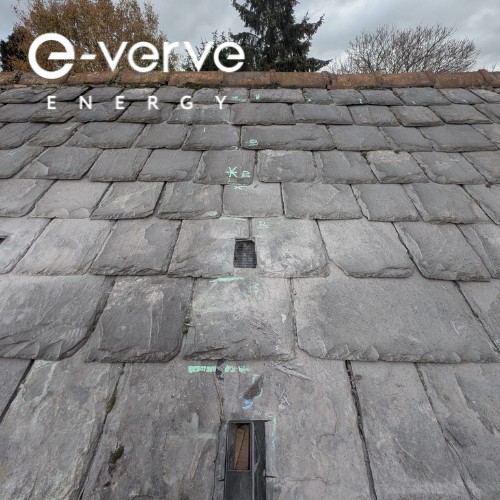
Domestic Roofing Material
Ensuring the correct bracket is selected for the roof tile type is crucial. The profile, shape and size of the brackets do differ for concrete, rosemary and slate tiles. The depth of the bracket should be sufficient enough to sit above the row of tiles below the bracket line.
Roof tiles which cover and seal over the the bracket may require notching or grinding. This will ensure the bracket does not raise the profile of the tile. Thus allowing it to sit flush and prevent water ingress.
To ensure compliance with industry standards, installers should approve solar panel brackets listed on the MCS database.
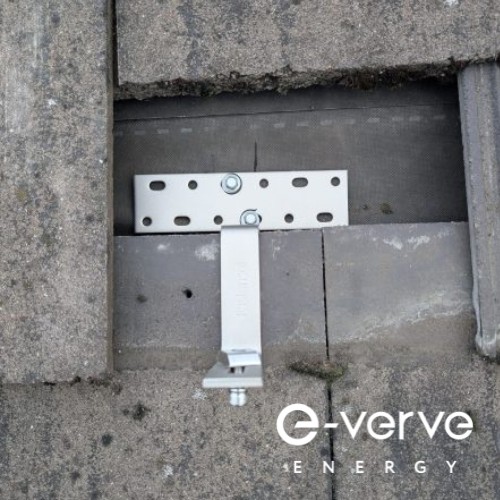
Solar Panel Brackets: Pitched Roof with Concrete / Clay tiles
Most UK homes feature a pitched timber structure with a tile covering as the most common roof type. Installers typically use solar panel brackets mechanically fixed with screws into the roof structure for pitched roofs. To ensure correct location of brackets the timber rafters are exposed by removing roof tiles locally around the required fixing zones. Once the rafters are located the remaining brackets can be set out to suit the rafter centres ensuring the correct quantity of brackets are installed for the required Solar Panel layout and capacity.
Solar Panel Brackets: Pitched Roof with Rosemary Clay Tiles
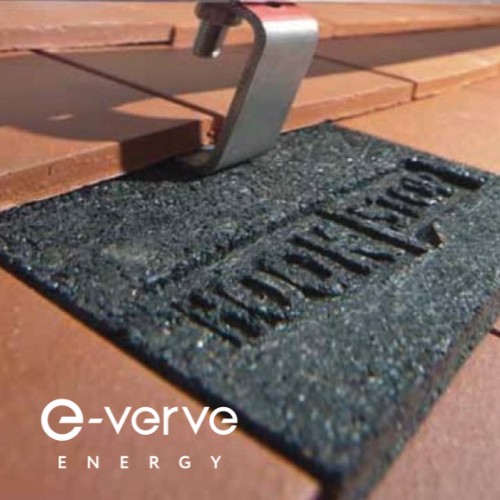
For rosemary clay tiles the solar panel bracket profile used differs from those on concrete roof types. This is as the clay tile depth is typically thinner than concrete tiles. Brackets are mechanically fixed into the rafter at the required centres for the Solar Panel layout and capacity. For rosemary clay tiles it is common to replace the tile which sits below the bracket with a flexible rubber replacement to avoid cracking of tiles posed due to downward loads. These are typically known as Hookstop are are manufactured by Hookstop, Clenergy, Deks and SolarDek.
Solar Panel Brackets: Pitched Roof with Slate Tiles
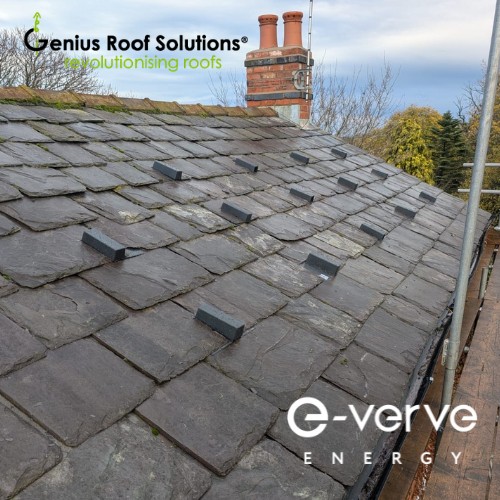
For slate roofs, installers use a different fixing method since accessing the rafters is more challenging due to the overlapping slate required for weatherproofing. To reach the rafter, they notch out part of the slate, creating a window for access. After cutting the slate, they waterproof the area around the solar panel bracket. Typically, they use a Genius roof hook system, which provides a weatherproof barrier around the bracket while maintaining a secure mechanical fixing to the rafter below
Pre-Installation Checks: Is Your Roof Ready?
Before any solar panel brackets are installed, a thorough assessment of your roof is essential. A professional installer will conduct several key checks:
- Structural Integrity: An engineer or qualified surveyor must confirm that your roof can handle the added weight of the panels and the mounting system. This is especially critical for ballasted systems. They will inspect the rafters, trusses, and overall roof condition.
- Roof Condition: The installer will check the age and condition of your roof covering. It makes little sense to install a 30-year solar system on a roof that needs replacing in five years. Any necessary repairs should be completed before the solar installation begins.
- Shading Analysis:The installer will evaluate potential shading from trees, chimneys, or neighboring buildings. Since shading can significantly reduce your system’s output, they may adjust the mounting plan to minimise its impact.
- Space and Orientation: The available roof space will determine how many panels you can fit. For optimal performance in the UK, a south-facing roof is ideal, but east-west systems can also be highly effective.
The Importance of Professional Installation and MCS Certification
Installing solar panel mounting brackets is not a simple DIY job. It requires expertise in roofing, structural engineering, and electrical work. In the UK, it is highly recommended to use an installer certified by the Microgeneration Certification Scheme (MCS).
MCS operates as a quality assurance scheme. Ensuring that installers carry out solar installations to the highest standards while using approved products. Using an MCS-certified installer is often a requirement to qualify for government incentives or export tariffs like the Smart Export Guarantee (SEG).
A professional, MCS-certified installer will:
Review of Leading Solar Panel Mounting Bracket Manufacturers
Now that we’ve covered bracket types, roofing materials, and installation, which manufacturer brand should you go with? Several manufacturers specialise in high-quality solar panel mounting brackets. Let’s look at three popular options available in the UK market.
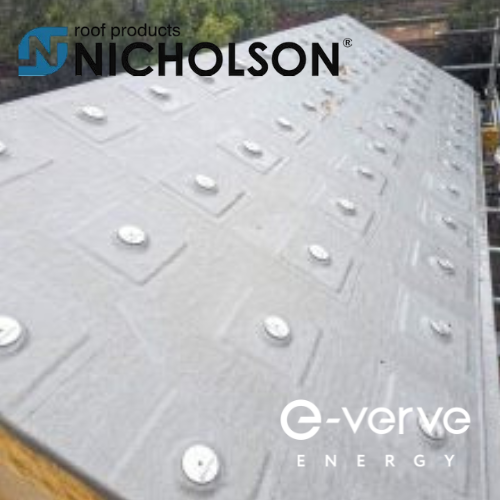
Solar Panel Brackets: Nicholson Rooftrak IFP
A fixing point system developed specifically around the challenge of providing a connection to the building structure whilst maintaining 100% integrity of the weathering membrane. Used for solar, balustrade and timber cladding.
Nicholson designed the Rooftrak integrated fixed point system to provide a secure attachment for waterproof layers found on non tiled roofs. Such as Single ply (eg PVC, TPO, EPDM), Bitumen felt, liquid applied and metal roof structures. The solution enables Nicholson roof fixing points to integrate with Solar Panel mounting systems. Ensuring long-term integrity around fixing penetration points.
Nicholson Rooftrak IFP
Pro’s: Eliminates leaks at fixing interfaces maintaining integrity of weatherproofing. Can be adapted for multiple solar panel mounting systems.
Con’s: Can cause conflict with existing roof warranties if retro fitted by third party installer after the roof has been weatherproofed.
Pricing: More expensive than standard tile solar panel bracket systems. Additional labour time required to ensure compliant installation.
Best For: This system works best for pitched flat roofs over 5 degrees or as a hybrid system fixing point system when coupled together with ballasted soalr panels to reduce weight on roof structure.
Solar Panel Brackets: Schletter Pro Line
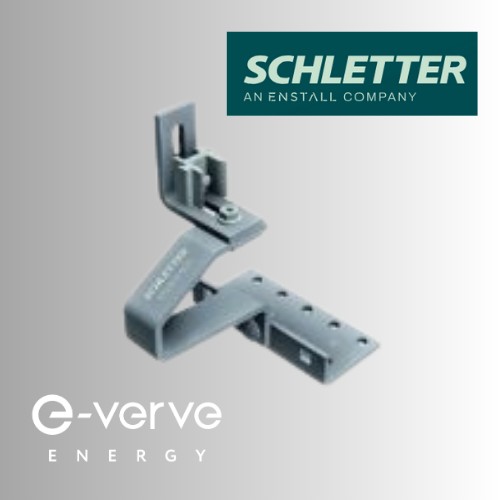
Schletter is is a well-respected German manufacturer of solar panel brackets, and their Proline system offers solutions for commercial and residential pitched, flat and seamed metal roofs. Manufactured with ease of installation and installation compliance at the forefront .
Schletter Pro Line
Pro’s: Capable of supporting heavy load with flexible configurations to ensure adequate roof clearances and angles are achieved.
Con’s: Not as readily available with only approved stockist supplying in the UK.
Pricing: Premium, reflecting its advanced engineering and durability
Best For: Warranties – An industry leading 25 year warranty is provided for mounting systems designed on the the Schletter system.
Solar Panel Brackets: Genius Roof Solutions
Genius roof solutions provide methods for sealing solar panel brackets to slate roof. Although more of an accessory as opposed to a fixing bracket, this kit ensures that solar panel brackets can be mechanically fixed to slate roof coverings.
The genius hood design which covers the solar panel bracket, allows the slate to remain uncompromised, maintaining a solid mechanical connection between the solar panel bracket and structural roof timber.
Genius Roof Solutions
Pro’s: Ensures robust mechanical fix and weatherproofing of solar panel brackets on slate roofs. Various options for both new-build and retro-fit applications.
Con’s: Doesn’t fit all slate headlaps with maximum 100mm so need to undertake roof survey beforehand.
Pricing: Low as an independent item however an additional component added to each solar panel bracket with greater installation times.
Best For: Retrofit slate roof solar panel installation
Solar Panel Brackets: Conclusion
The solar panel brackets holding your system in place are a critical component of a safe and productive solar installation. From traditional penetrating mounts for pitched roofs to innovative ballasted and hybrid systems for flat and complex roofs, there is a solution for nearly every building.
Understanding the differences between systems and conducting thorough pre-installation checks are the first steps. However, the most important decision you can make is to hire a qualified, MCS-certified professional. They will ensure the right solar panel mounting brackets are selected for your roof, installed correctly, and compliant with all UK standards—giving you peace of mind and clean energy for years to come.
How Can E-Verve Energy Help?
At E-Verve Energy, we are committed to making your transition to solar simple, seamless, and fully compliant with UK standards. Our knowledgeable team has extensive experience with solar panel mounting brackets and works with all major system types, from penetrating to ballasted, hybrid, and bespoke solutions.
We will guide you in selecting the ideal mounting system for your unique roof configuration—always prioritising safety, efficiency, and durability. Our process begins with a comprehensive roof assessment and pre-installation checks to ensure structural suitability, maximise energy output, and prevent costly issues down the line.
Every installation is carried out by our certified professionals who strictly adhere to the Microgeneration Certification Scheme (MCS) and all relevant UK regulations. This not only gives you peace of mind but also secures your eligibility for government incentives like the Smart Export Guarantee (SEG).
From the first consultation through installation and aftercare, E-Verve Energy delivers expert advice, high-quality workmanship, and ongoing support—helping you make the most of your investment!
Whether you’re a homeowner or running a commercial property, we provide trusted advice and a personalised experience. Helping you harness reliable solar power, reduce energy bills and increase green credentials.
Reach out to E-Verve Energy- The Most Trusted Renewable Energy Installer of 2024! today to discover how we can help you get the most out of your solar panels!
Get Your Custom Solar Quote Today
Select your ideal setup and receive a tailored quote in minutes.
130+ Google Reviews
Have more questions?
That’s okay, we’ve answered some of the more commonly asked questions here but if you still have questions, just get in touch and we’ll be happy to provide any support you need.